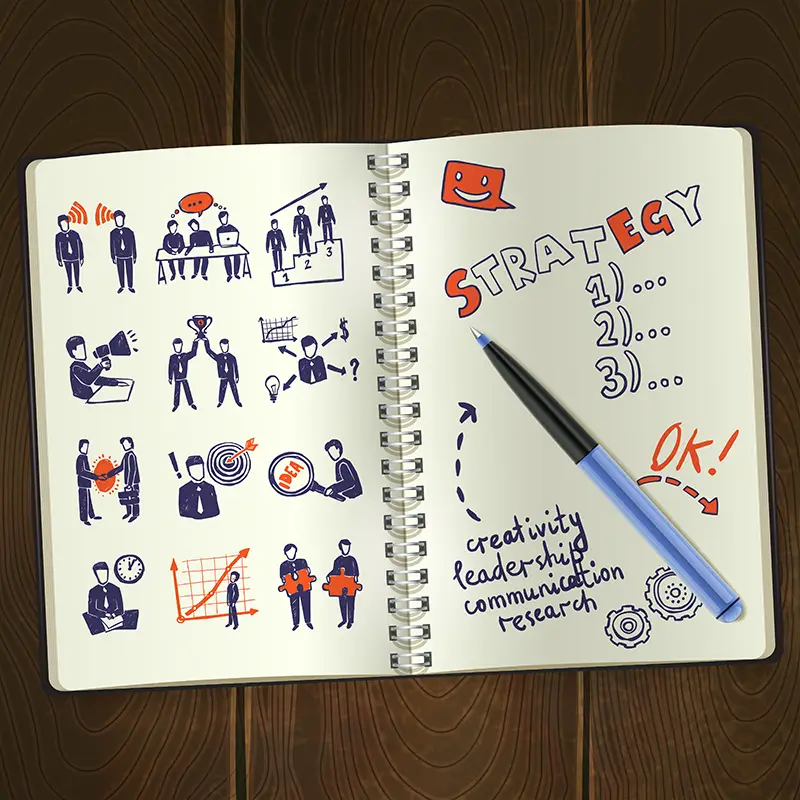
Year-long planning breaks teams free from reactive week-to-week scrambling that leads to missed opportunities and burnout. By organizing around seasonal rhythms and ministry priorities, teams gain clarity on what to focus on and when. This approach creates margin for intentional messaging while maintaining flexibility to adapt as needs change.
The 2026 Church Communications Playbook: What to Plan, When to Plan It, and What Actually Matters
Simplifying church communication in 2026 starts with a clear plan for the year ahead. By mapping church-wide priorities, understanding seasonal rhythms, and centralizing your planning inside a shared communication hub like Communicate, your team can stay proactive instead of reactive. This playbook outlines what to plan, when to plan it, and how to keep your entire church aligned all year long.
Key Takeaways
- Plan by seasons, not weeks to maintain flexibility while staying ahead of ministry priorities and reducing last-minute stress
- Set core priorities early including major sermon series, church-wide events, key ministry initiatives, and communication rhythms for the entire year
- Establish consistent communication rhythms like weekly email newsletters, Sunday announcement plans, and quarterly campaigns to create predictable pathways for your congregation
- Use a centralized calendar system to visualize campaigns, coordinate across ministries, and prevent message overlap or conflicts
- Review and adjust monthly to keep your plan flexible while maintaining focus on your church's mission and goals
Why Do Churches Need a Communications Playbook for 2026?
A communications playbook gives your church clarity, alignment, and margin for the year ahead. It ensures every message—from sermons to events to ministry updates—supports your mission instead of competing for attention. Without a plan, teams fall back into week-to-week scrambling, inconsistent messaging, and burnout.
A 2026 playbook helps your church anticipate ministry moments, coordinate across departments, and communicate with greater purpose. Tools like Communicate support this by placing all your messages, campaigns, and schedules into one shared system. For context on the trends driving this need, see the biggest church communication trends for 2026.
What Should a Church Plan at the Beginning of 2026?
Churches should begin by setting the core priorities and rhythms that will anchor the year. Start with the big picture before filling in the details.
Your early-year planning should include:
- Major sermon series for each season
- Church-wide events (Easter, fall launch, Christmas, outreach moments)
- Key ministry initiatives (next-steps pathways, groups, serving, giving)
- Communication rhythms (weekly email, SMS cadence, social strategy)
- Campaign calendars for major pushes or launch moments
Once priorities are set, Communicate can house everything in one place—linking sermon series, events, and communication tasks so nothing slips through.
How Should Churches Organize Their 2026 Communications Calendar?
Structure your calendar by seasons rather than weeks. This allows for proactive planning and ensures your communication supports the natural pace of ministry.
A seasonal breakdown might look like:
- Winter (Jan–Feb): Vision, discipleship focus, volunteer recruitment
- Spring (Mar–May): Easter, groups, community engagement
- Summer (Jun–Jul): Stories, rest, batching content, fall prep
- Fall (Aug–Nov): Back-to-school surge, groups, events, giving
- Winter (Dec): Christmas, year-end giving, celebration moments
Communicate's campaign view helps you visualize overlap and align messaging across ministries and channels. For deeper insights into seasonal planning, read about the ministry season cycle and how to plan your entire year of communication.
What Are the Most Important Communication Rhythms to Set for 2026?
Consistent rhythms create predictable pathways for your congregation. Set these early so everyone knows what goes out and when.
Key rhythms include:
- Weekly email newsletter
- Sunday announcement plan (one strong next step each week)
- Social content buckets (stories, reminders, encouragement, next steps)
- Monthly ministry updates
- Quarterly campaigns (discipleship, groups, giving, outreach)
By scheduling these rhythms inside Communicate, your team can build reusable templates, automate reminders, and stay aligned. For guidance on prioritizing what to communicate, see what churches should communicate every week and stage announcements strategy.
How Do You Keep Your 2026 Plan Flexible Without Losing Focus?
Plan your structure but hold the details loosely. Ministry shifts, opportunities arise, and needs change. Flexibility is essential—but chaos isn't.
Stay flexible by:
- Reviewing monthly—adjust upcoming priorities based on feedback and outcomes.
- Keeping a master calendar inside Communicate, updated in real time. Learn how to create a church communications calendar that supports flexibility.
- Using message tags to group related announcements and stay consistent.
- Leaving margin in your plan—don't max out every Sunday or channel.
Flexibility works best when your foundation is solid. For strategies to reduce stress while maintaining flexibility, see how churches can reduce last-minute communication stress.
How Can Communicate Support Your 2026 Communications Strategy?
Communicate acts as the engine behind your annual playbook. It helps your team:
- Centralize all messaging in one shared calendar
- Visualize campaigns and seasons side by side
- Plan multi-channel outreach (email, text, social) from one place
- Collaborate across ministries with fewer bottlenecks
- Prevent overlap and noise through conflict detection and scheduling logic
Instead of juggling tools, your church gets one source of truth—and a clear plan for the year. For a comprehensive strategy guide, see the ultimate guide to building a church communications strategy and how to centralize your church communication workflow.
Conclusion
A strong 2026 communication playbook gives your team clarity, stability, and confidence. It helps you communicate intentionally, anticipate ministry needs, and avoid last-minute stress. With a centralized system like Communicate, your church can turn this plan into action—keeping every message aligned and every ministry supported.
Ready to bring clarity to your church's 2026 communication plan?
Start your free trial of Communicate and build a year your team won't have to scramble through.
How this topic connects: This playbook guide supports the church communication strategy pillar by providing a strategic framework for year-long planning and coordination.
FAQs
Q: How far ahead should we plan our 2026 communication calendar?
A: Plan in seasons (90-day blocks). It's far enough to stay ahead but flexible enough to adjust. For more on seasonal planning, see the ministry season cycle.
Q: Should every ministry follow the same communication rhythm?
A: They should share the same system and priorities but personalize their approach based on audience and goals. Learn more about keeping every ministry on message without micromanaging.
Q: What's the best first step to building a playbook?
A: Start with your church's top 3 ministry priorities for 2026—everything else builds from there. For step-by-step guidance, see how to create a church communications calendar.
Related Articles
Explore these related guides to improve your church communication planning:
- What Are the Biggest Church Communication Trends for 2026? - Key trends shaping 2026
- How to Plan a Year of Church Communication - Annual planning strategies
- The Ministry Season Cycle in Church Communication - Seasonal planning approach
- How to Create a Church Communications Calendar - Step-by-step creation guide
- How to Reduce Last-Minute Communication Stress - Planning ahead strategies
- Church Communications Strategy: The Complete Guide - Comprehensive strategy framework
Want to put this into action? Start planning your church communications with Communicate — the only church communications calendar built just for ministry teams.